When a child is diagnosed with bipolar disorder, the experience of being a parent changes in ways that are difficult to fully describe to someone who has not been through it.
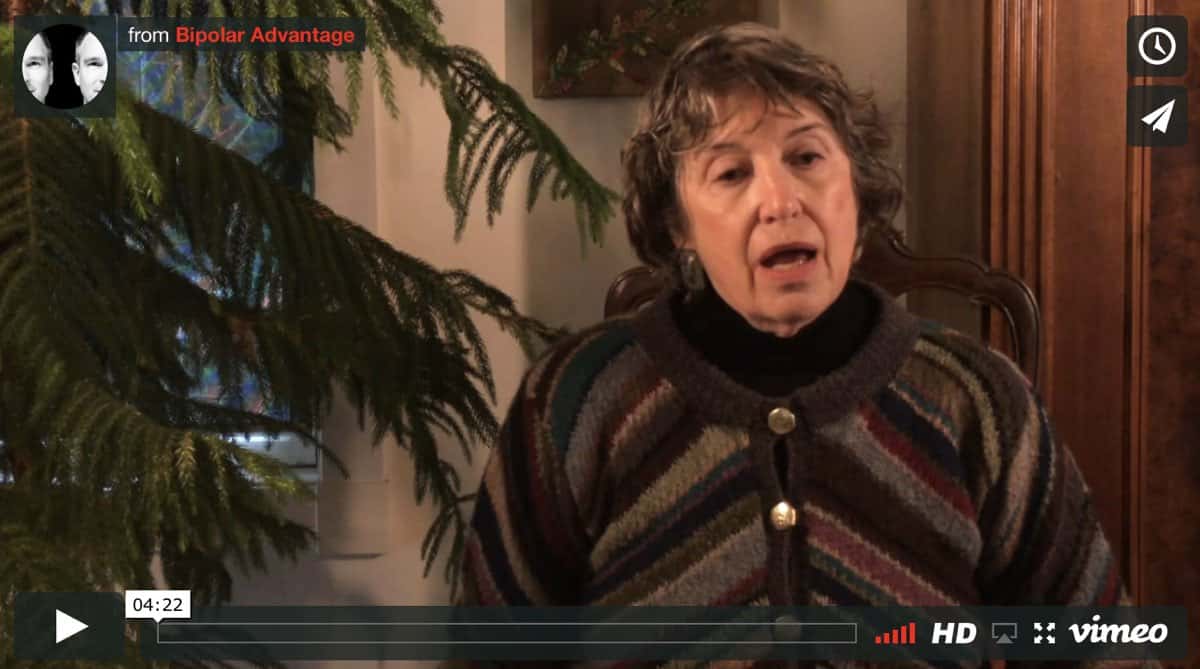
The following reflects the perspective of Melissa Vandeveer, PhD, RN, PNP, CNL — a nurse practitioner, clinical nurse leader, and mother of a child with bipolar disorder who participated in the Bipolar IN Order program.
I came to this work from two directions simultaneously: as a healthcare professional who understood the clinical dimensions of bipolar disorder, and as a mother who was living with its daily reality in my family.
Those two positions offered me a particular vantage point. I knew what the textbooks said and what the clinical guidelines recommended. I also knew that what I was experiencing as a parent did not always match the picture those resources painted.
What Parents Actually Face
The clinical description of bipolar disorder — episodes of depression and mania, treated with medication and therapy, managed toward stability — does not fully capture what it is like to parent a child through it.
Parents of children with bipolar disorder often describe living in a state of sustained vigilance. Watching for signs that a cycle is beginning. Trying to distinguish between ordinary adolescent behavior and something that needs clinical attention. Managing the relationship between what the child needs clinically and what they are willing to accept. Navigating the rest of the family's experience alongside the child's.
There is also, for many parents, a grief component: the grief of watching a child struggle, of revising earlier expectations, of not knowing what the future holds.
And there is something that does not always get acknowledged: the complexity of the relationship itself. Loving someone with bipolar disorder means loving someone who may, at their most difficult, treat you in ways that are genuinely hurtful — not out of malice, but out of the behavioral dysregulation that comes with the condition. Holding the knowledge that the behavior is partly clinical, while also experiencing its real impact, is one of the harder ongoing challenges of being a parent in this situation.
What Changed With the Bipolar IN Order Framework
What the Bipolar IN Order approach offered me — both as a parent and as a clinician — was a more complete model of what is possible.
The clinical framework I had trained in was excellent at managing episodes and working toward stability. What it did not address was the question of what comes after stability. What does a genuinely good outcome look like, beyond the absence of crisis?
The Bipolar IN Order framework answered that question in a way that was both practically detailed and genuinely hopeful. It described a path from disorder to order — not the elimination of bipolar disorder, but the development of a genuinely different relationship to it. One in which the person with the condition, with appropriate support, can function well across a wider range of experience than the management model alone envisions.
As a parent, that vision matters enormously. It changes what I am working toward for my child. It changes the conversations I have with their clinical team. And it changes the framework I offer my child themselves — the story they have available to them about what their future might look like.
For Other Parents
If you are a parent navigating a child's bipolar diagnosis, some things I have found genuinely useful:
Your own wellbeing matters. The sustained vigilance and stress of parenting a child with bipolar disorder is real and accumulates. Your own support — through therapy, peer support, and honest conversation with people who understand — is not a luxury. It is part of being able to show up for your child over time.
Learn specifically rather than generally. Generic information about bipolar disorder is less useful than specific knowledge about your child's particular patterns, signals, and needs. That specificity develops through observation over time, and through the kind of structured self-assessment that frameworks like Bipolar IN Order teach.
Hold the full picture. Your child's diagnosis is one part of who they are. The ceiling on what is possible for them is higher than the disorder model suggests. Holding that larger picture — without bypassing the real challenges — is one of the most important things a parent can do.